Orbit - Social Media Mobile App: A Designer's Guide to a Modern Social Platform
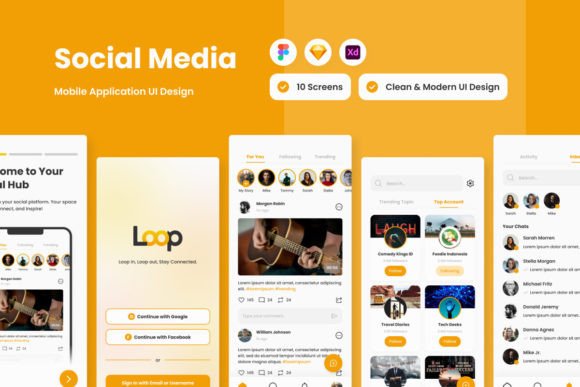
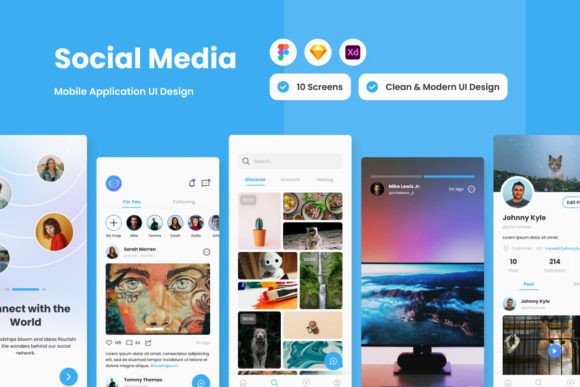
In a digital landscape saturated with noise, finding a platform that prioritizes genuine connection can feel like searching for a signal in static. Orbit - Social Media Mobile App presents itself as that clearer frequency. It’s more than just another feed; it’s a curated space designed for creators, thinkers, and innovators to share ideas and discover new perspectives. For professionals in design, marketing, and content creation, understanding Orbit’s interface is key to leveraging its potential. The platform’s strength lies in its high-quality screen layout design, which is both visually clean and functionally intuitive.
The Anatomy of a Clean Interface: Visual Character and Appeal
Orbit’s design language speaks directly to a modern, discerning audience. Its visual personality is professional yet approachable, built on principles of clarity and ease of use. The layout is meticulously organized, with well-organized and neat layers that make navigating content a seamless experience. This isn’t just about aesthetics; it’s about reducing cognitive load. When the interface doesn’t fight for your attention, the content—whether it’s a thought-provoking article, a stunning piece of art, or a business update—can truly shine. The design is easy to adjust, suggesting a flexible framework that can adapt to various user preferences without losing its core identity. This adaptability is a hallmark of modern typography and thoughtful web design, where user experience is paramount.
The platform’s appeal extends to its technical foundation, which is a significant draw for the creative community. The inclusion of open source fonts ensures accessibility and legal peace of mind, while the provision of files in .fig, .xd, .sketch, and .psd formats demonstrates a commitment to working within established creative workflows. For a designer or agency, this means you can prototype and test ideas directly within the platform’s native environment. The presence of global text and color styles within these files is particularly valuable. It allows for rapid experimentation and ensures brand consistency when developing campaigns or content strategies for the platform. This level of detail transforms Orbit from a simple social app into a potential design asset, offering a sandbox for testing font pairing and visual hierarchies in a real-world context.
Where Orbit Fits: Practical Applications for Professionals
Understanding the platform’s design is one thing; applying it effectively is another. For brand identity strategists and logo design specialists, Orbit can serve as a testing ground for how a brand’s visual system translates to a mobile-first, social environment. The clean layout provides a neutral canvas, making it easier to assess whether a sans serif font or a serif font in your brand’s toolkit performs better for readability in short-form posts. The platform’s focus on community and ideas aligns perfectly with brands that position themselves as thought leaders.
Content creators and marketers will find the environment conducive to sparking meaningful conversations. The design encourages engagement beyond passive scrolling. When crafting social media graphics for Orbit, the emphasis should be on clarity and value. The interface won’t overshadow a well-designed infographic or a compelling quote card. For bloggers and publishers, the platform offers a fresh channel for editorial design. The layout’s emphasis on readability supports longer, more thoughtful posts, potentially attracting an audience tired of ephemeral content. The ability to discover fresh perspectives is a core promise, making it a valuable research tool for anyone in the creative or entrepreneurial space.
Integrating Orbit into Your Creative Process
Treating Orbit as a strategic component of your digital presence requires a deliberate approach. Start by evaluating its fit for your specific audience. If your goal is to connect with other designers, entrepreneurs, or innovators, the platform’s curated community is a major advantage. The next step is to conduct your own font pairing experiments. Use the provided design files to see how your brand’s primary typeface interacts with the platform’s native typography. Does your chosen display font for headlines hold its own? Does your body copy font maintain readability at the size and weight used in Orbit’s interface? This practical testing is invaluable.
Consider the platform’s strengths when planning content. Its personality leans toward the substantive. This is an ideal space for a crafting hobbyist to share the story behind a project, for a small business owner to explain their process, or for a publisher to delve into the themes of a new release. The design supports this depth. When creating visuals, remember that the layout is designed to be easy to adjust—your content should be too. Ensure your graphics are clean, your text is legible, and your message is clear. The platform’s compatibility with major design software means you can create assets directly within the tools you already use, streamlining your workflow.
Ultimately, Orbit - Social Media Mobile App offers more than a new place to post. It provides a thoughtfully designed environment that values quality over quantity. For the creative professional, it’s a space to observe how modern typography and clean web design principles function in a live social setting. It’s a tool for building community around ideas, not just brands. By approaching it with a designer’s eye for layout, a marketer’s strategy for engagement, and a creator’s passion for sharing, you can explore a genuinely new orbit of social interaction and perhaps discover your next great idea in the process.